Beverage Zone
Representative Jim McGovern has just dropped a new bill, and it’s all about making school lunches way better for our kids. Now, I don’t know about you, but when I think back to my own school lunches, let’s just say there’s definitely room for improvement. This bill isn’t just tinkering around the edges; it’s looking to overhaul the whole system to ensure kids get the nutrition they need to thrive. It’s a pretty big deal, especially when you consider how many children rely on these meals every single day. So, what’s in this bill exactly? Let’s dive in.
Key Provisions of the Bill
Improving Nutritional Standards
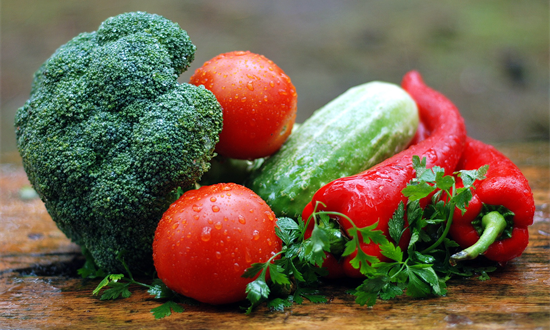
Okay, first things first: the bill is aiming to seriously boost the nutritional value of what’s being served in school cafeterias. We’re talking about less of the bad stuff – think sodium, sugar, and overly processed ingredients – and a whole lot more of the good stuff, like fruits, veggies, and whole grains. From what I gather, there’s a push to include more fresh produce and lean proteins. I wonder, will this finally mean the end of mystery meat Mondays? One can only hope!
Expanding Access to School Meals
Here’s a thought: what if every kid, regardless of their family’s income, had access to free, healthy school meals? That’s kind of the dream, right? This bill seems to be taking steps in that direction by trying to expand access to meals for kids who might not qualify for the current free or reduced-price programs but are still struggling with food insecurity. Maybe it’s universal free meals, maybe it’s broadening eligibility. Either way, getting more nutritious food to more kids is a win in my book.
Reducing Food Waste
Alright, let’s talk about food waste. It’s a huge problem, not just in schools but everywhere. This bill is apparently looking at ways to cut down on the amount of food that ends up in the trash. I imagine that involves smarter menu planning – you know, actually serving food kids want to eat – better storage to keep things fresh, and maybe even programs to donate leftovers to local charities. It’s about being more efficient and making sure that perfectly good food doesn’t go to waste. Common sense, right?
Supporting Local Agriculture and Farm-to-School Programs
Now, this part is particularly exciting. There’s talk of boosting farm-to-school programs and encouraging schools to source their food locally. Can you imagine kids eating meals made with fresh, locally grown ingredients? Not only would it taste better, but it would also support local farmers and teach kids about where their food comes from. Plus, less distance to travel means fresher food. It’s a win-win, assuming the logistics can work out.
The Potential Impact on Children’s Health and Well-being
Improved Academic Performance
You know what they say: “You are what you eat.” And when kids are chowing down on junk, it’s tough for them to focus in class. The idea here is that better nutrition equals better brains. Think improved concentration, sharper memory, and overall better academic performance. It just makes sense. A well-fed brain is a brain ready to learn. I mean, I can’t even think straight when I’m hungry, can you?
Reduced Childhood Obesity
Childhood obesity is a serious issue, and what kids eat at school plays a big role. By giving them healthier options and teaching them about healthy eating habits, this bill aims to help curb obesity rates. It’s not just about cutting calories; it’s about fostering a lifelong love of nutritious foods. No small feat, but definitely worth striving for, wouldn’t you agree?
Enhanced Food Security
Let’s not forget about food security. For many kids, school meals are the only reliable source of nutrition they have. This bill aims to make sure all students, no matter their background, have access to those meals. It’s about leveling the playing field and ensuring that every child has the nourishment they need to grow and thrive. Honestly, it’s a basic human right, or at least it should be.
Reactions to the Bill
Support from Advocacy Groups
Unsurprisingly, a lot of advocacy groups focused on child nutrition and public health are throwing their weight behind this bill. They see it as a crucial step forward in addressing childhood hunger and promoting healthier eating habits. It’s always encouraging to see different organizations rallying around a common cause like this. Gives you a little hope, doesn’t it?
Potential Challenges and Opposition
Of course, no big change comes without its challenges. There will likely be some pushback, maybe around the cost of implementing these changes or the logistical hurdles of sourcing higher-quality ingredients. But hey, nothing worthwhile is ever easy, right? It’s all about finding solutions and compromises that ultimately benefit the kids.
Next Steps for the Bill
Legislative Process and Timeline
So, what happens next? Well, the bill has to make its way through the legislative maze, with committee hearings, debates, and votes in both the House and Senate. It’s a process, and it can take time, but fingers crossed it moves along smoothly. Keep an eye on the news for updates, because this is something worth following.
How to Get Involved
Want to help make this bill a reality? There are plenty of ways to get involved. You can contact your representatives to voice your support, participate in advocacy campaigns, or even donate to organizations working on child nutrition. Every little bit helps. Let’s make some noise for better school meals!
So, there you have it. This new bill could really change the game for school meals and, more importantly, for the health and well-being of our kids. It’s not a done deal yet, but it’s definitely a step in the right direction. What do you think? Are you as hopeful as I am about the prospect of better school lunches? I’d love to hear your thoughts! And hey, maybe we can all pack a slightly healthier lunch tomorrow in solidarity.