Beverage Zone
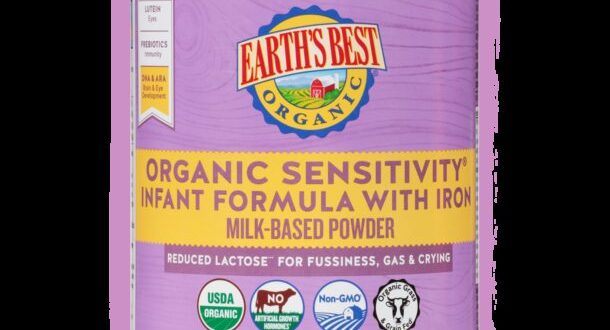
Navigating the world of infant nutrition can feel overwhelming, especially when you’re considering formula feeding. Whether you’re supplementing breastfeeding or choosing formula as your primary source of nutrition, understanding the different types, ingredients, and preparation methods is key. So, let’s dive into the world of infant formula, shall we?
Cow’s Milk-Based Formula
This is probably what comes to mind first, right? Cow’s milk-based formula is the most common choice. It’s made from cow’s milk that’s been tweaked to be gentler on tiny tummies. Unless your little one has a diagnosed cow’s milk allergy, this is often a great starting point. I remember feeling so relieved when my friend’s baby thrived on this – it’s a solid option!
Soy-Based Formula
Soy-based formulas use soy protein instead of cow’s milk. It’s often chosen for babies who can’t tolerate cow’s milk or have lactose intolerance. Some parents also opt for it for vegetarian reasons. Is it the best? That’s up for debate, but it’s good to know it exists, especially if you’re exploring alternatives.
Hypoallergenic Formula
If your baby has a milk protein allergy or is just super sensitive, hypoallergenic formulas are a lifesaver. The proteins are broken down into tiny bits, making them less likely to cause allergic reactions. Trust me, seeing your baby comfortable is worth every penny – you can’t put a price on that peace of mind.
Specialized Formulas
Then there are specialized formulas. These are designed for babies with specific medical needs, like preemies or those with metabolic disorders. They’re often packed with extra nutrients or tailored for certain dietary needs. Always talk to your pediatrician before switching to one of these, though. It’s a big decision!
Nutritional Composition of Infant Formula
Macronutrients
Think of these as the big building blocks: carbs, fats, and proteins. They provide energy for your baby’s growth and development. Formulas are carefully balanced to mimic breast milk. I always found it fascinating how much science goes into this stuff.
Micronutrients
Vitamins and minerals! Formulas are loaded with iron, calcium, vitamin D, and all those B vitamins. These ensure your baby gets everything they need for healthy growth. It’s like a tiny nutritional safety net. Makes you wonder, are we all getting enough of this?
Other Additives
Some formulas include extras like prebiotics, probiotics, and omega-3s. They’re supposed to boost gut health and brain development. The jury is still out on how much they actually help, but hey, can’t hurt, right? Always a good idea to do your own research and see what feels right for your little one.
Preparation and Storage of Infant Formula
Proper Preparation Techniques
This is crucial! Always follow the instructions on the label. Getting the water-to-powder ratio wrong can mess with your baby’s digestion. And nobody wants that! Been there, cleaned that. Not fun.
Hygiene and Sterilization
Cleanliness is key! Sterilize those bottles and nipples like your baby’s health depends on it – because it kind of does. This helps prevent nasty bacteria from crashing the party. Wash, wash, wash those germs away.
Storage Guidelines
Once you’ve made a bottle, store it properly. Refrigerate any unused formula ASAP, and don’t keep it for more than 24 hours. Better safe than sorry, right? You don’t want to risk a tummy ache.
Choosing the Right Infant Formula
Consulting with a Pediatrician
Seriously, talk to your pediatrician. They know your baby’s unique needs. They can steer you toward the best formula based on your little one’s health and any specific concerns you might have. This is one area where Googling can only get you so far.
Considering Baby’s Needs and Sensitivities
Pay attention to your baby. Are they fussy? Gassy? Do they have a rash? These could be signs of a sensitivity. Choosing a formula that suits their needs can make a world of difference. Trust your gut – you know your baby best!
Reading Labels and Understanding Ingredients
Read those labels! Know what you’re feeding your baby. If you see something you don’t recognize, look it up. Educating yourself empowers you to make the best choice. Knowledge is power, especially when it comes to your baby’s health.
Potential Risks and Considerations
Allergies and Intolerances
Keep an eye out for allergic reactions. Symptoms can include rashes, vomiting, diarrhea, or just general fussiness. If you suspect an allergy, talk to your doctor ASAP. Catching it early can prevent a lot of discomfort.
Constipation and Digestive Issues
Formula can sometimes cause constipation or other tummy troubles. If this happens, chat with your pediatrician. They might recommend a different formula or suggest ways to ease your baby’s discomfort. Pro tip: Gentle tummy rubs can sometimes help, too.
Cost and Accessibility
Let’s be real: formula can be pricey, especially the specialized stuff. Access to affordable options can be a real struggle for some families. Check out local resources and assistance programs if you’re finding it tough to make ends meet. No shame in getting help – we all need it sometimes.
Choosing the right infant formula is a big decision, but you’ve got this. It’s a process of understanding your baby’s needs and finding the product that suits them best. Don’t be afraid to ask questions, do your research, and trust your instincts. And hey, don’t forget to breathe! You’re doing great, and your baby will thrive with your love and care.