Beverage Zone
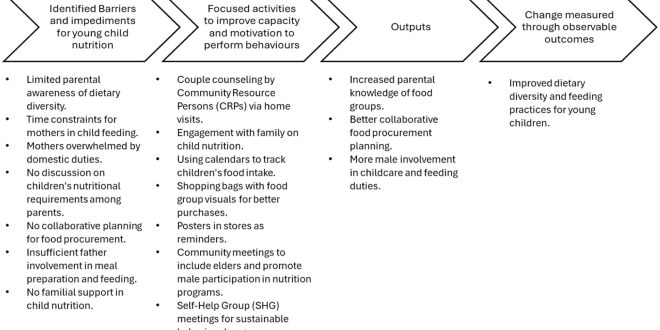
Child nutrition faces a critical stagnation, evidenced by persistent rates of wasting and alarmingly limited dietary diversity amongst children globally. Recent studies paint a concerning picture, highlighting the urgent need for renewed focus and innovative interventions to address these deeply rooted challenges and prevent long-term consequences for child health and development. You know, it’s easy to get caught up in day-to-day things, but when you step back and look at these numbers, it’s a real wake-up call. This article delves into the key findings of these studies, exploring the contributing factors and potential solutions to improve child nutrition outcomes. I mean, what could be more important than making sure kids get what they need to grow up healthy?
Key Findings on Wasting and Dietary Diversity
Prevalence of Wasting Remains Unacceptably High
The statistics are pretty stark, to be honest. Child wasting, a severe form of malnutrition, continues to plague many regions around the world. We’re talking about millions of children who are underweight for their height, putting them at serious risk of developmental delays, illness, and even death. I saw a report the other day that indicated the highest rates are concentrated in South Asia and Sub-Saharan Africa, but, of course, it’s not just those areas, it’s a global issue. The severity varies, but even moderate wasting can have long-term impacts on a child’s future. Makes you wonder what we can do, right?
Dietary Diversity Lags Behind Recommendations
It’s not just about getting enough food, but about getting the right kind of food. Studies show that many children aren’t getting a diverse enough diet to meet their nutritional needs. We’re talking about key food groups like fruits, vegetables, and animal-source foods often being missing from their plates. And why is this a problem? Because it means they’re not getting the vitamins and minerals they need. Imagine trying to build a house with only half the materials. Same thing, right? Recommendations emphasize the importance of including a variety of food groups daily. When children miss out, it can lead to deficiencies that impact everything from their immune system to their cognitive development. It’s a scary thought.
Contributing Factors to Stalled Progress
Socioeconomic Disparities and Food Insecurity
Alright, let’s talk about the elephant in the room: poverty. It’s no surprise that socioeconomic disparities play a huge role in child nutrition. If families can’t afford nutritious food, or if they lack access to it, what choice do they have? Food insecurity, often rooted in poverty and inequality, means families don’t have consistent access to enough food. It’s a vicious cycle, isn’t it? How can you expect a child to thrive if they’re constantly worried about where their next meal is coming from? Something’s gotta give.
Impact of Conflict and Displacement
Oh, and then there’s conflict. Can you imagine trying to feed your kids in the middle of a war zone? Conflict and displacement create massive challenges for providing adequate nutrition. Supply chains are disrupted, healthcare systems collapse, and families are forced to flee their homes, often with nothing but the clothes on their backs. In these situations, children are incredibly vulnerable to malnutrition. It’s just heartbreaking. I mean, you’re not just dealing with logistical problems, but the profound emotional trauma of war as well.
Inadequate Healthcare and Sanitation
Let’s not forget about healthcare and sanitation. Even if families have access to food, poor healthcare and sanitation can sabotage their efforts. Infectious diseases can prevent children from absorbing nutrients properly. And if there’s no clean water or sanitation, it’s a breeding ground for illness. It’s like trying to fill a bucket with a hole in the bottom. You can keep pouring, but it’s never going to stay full. So, access to healthcare, clean water, and sanitation are just as crucial as access to food. It’s all connected, isn’t it?
Potential Solutions and Interventions
Strengthening National Nutrition Programs
Okay, so what can we do? Well, strengthening national nutrition programs is a big piece of the puzzle. We need to invest in things like breastfeeding promotion, micronutrient supplementation, and community-based nutrition interventions. These programs can provide essential support to families and ensure that children get the nutrients they need, especially in those crucial early years. It’s about giving people the tools and knowledge to make informed choices about their children’s health. Sounds good in theory, right? Let’s hope it translates to real action.
Promoting Sustainable Food Systems
Think about where our food comes from. Promoting sustainable food systems is another key strategy. This means supporting local food production, improving agricultural practices, and reducing food waste. When communities can grow their own food and manage resources responsibly, they’re less vulnerable to food shortages and price fluctuations. And less food waste means more food available, which helps everyone. It’s about building a more resilient and equitable food system for all. It’s an investment in the future, really.
Empowering Women and Improving Education
And last but not least, let’s talk about empowering women. Studies consistently show that when women have access to education, resources, and decision-making power, child nutrition outcomes improve. Educated women are more likely to seek healthcare, adopt better feeding practices, and prioritize their children’s well-being. Plus, education empowers them to earn a better income and provide for their families. It’s a ripple effect, isn’t it? When you empower women, you empower communities.
So, yeah, child nutrition is in a tough spot, but that doesn’t mean we should throw our hands up in despair. We’ve got the knowledge and the tools to make a difference. It’s going to take renewed focus, increased investment, and a willingness to try new and innovative solutions. But ultimately, it’s about ensuring that every child has the opportunity to grow up healthy and reach their full potential. What do you think? Maybe we can all play a small part in turning the tide on this.